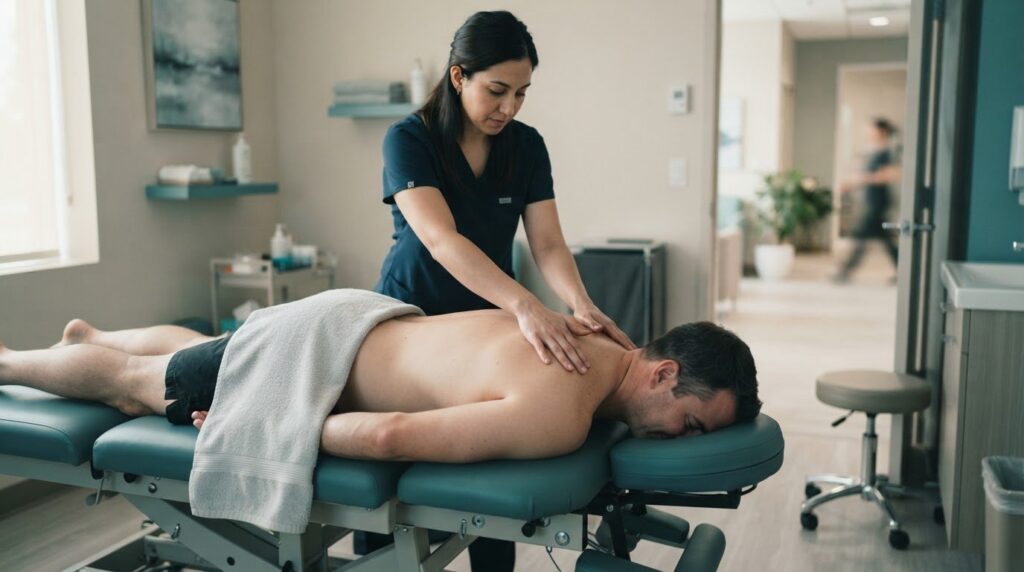
Massage therapy can be more than a way to unwind. Regular sessions may also support everyday comfort and movement. The benefits of regular massage therapy can include relaxation, reduced muscle tension, and short-term relief from some aches. Massage uses hands-on techniques on soft tissues such as muscles to ease tension and promote comfort.
If stress, stiffness, or post-exercise soreness is affecting your routine, it’s understandable to wonder whether massage could help. This article explains what massage therapy involves, how regular sessions may support relaxation and physical comfort, and what to know about its possible effects. You’ll also learn how massage can complement other forms of care.
Key Takeaways
- Massage therapy works with soft tissues and may help ease muscle tension and discomfort in the back, neck, and shoulders.
- Regular sessions may support relaxation and help manage stress, while benefits can vary with your needs and treatment approach.
- Massage may provide short-term relief from muscle soreness after exercise for some people, but it is one part of a broader approach to wellbeing.
- Heartland Physiotherapy offers massage therapy, which may be a useful option when tension or stress is affecting your comfort and daily activities.
What Is Massage Therapy?
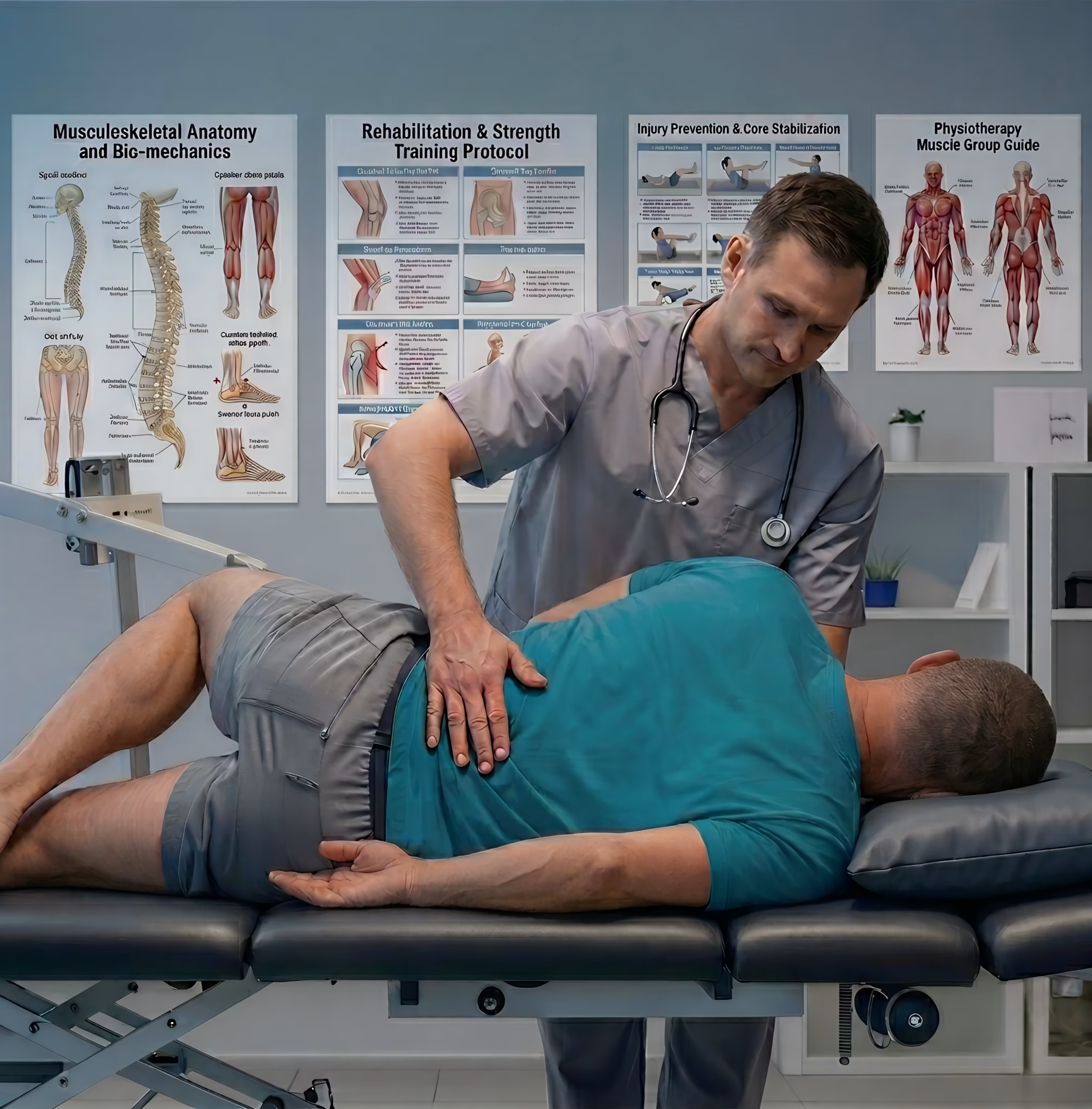
Massage therapy uses hands-on techniques to work with muscles and other soft tissues. A therapist may focus on back tightness after sitting or neck and shoulder tension that makes turning your head uncomfortable. The benefits of regular massage therapy may include easing tension and supporting short-term relief, comfort, and function. For chronic low-back pain, fibromyalgia, or tension headaches, massage may help manage symptoms, but it doesn’t address every underlying cause.
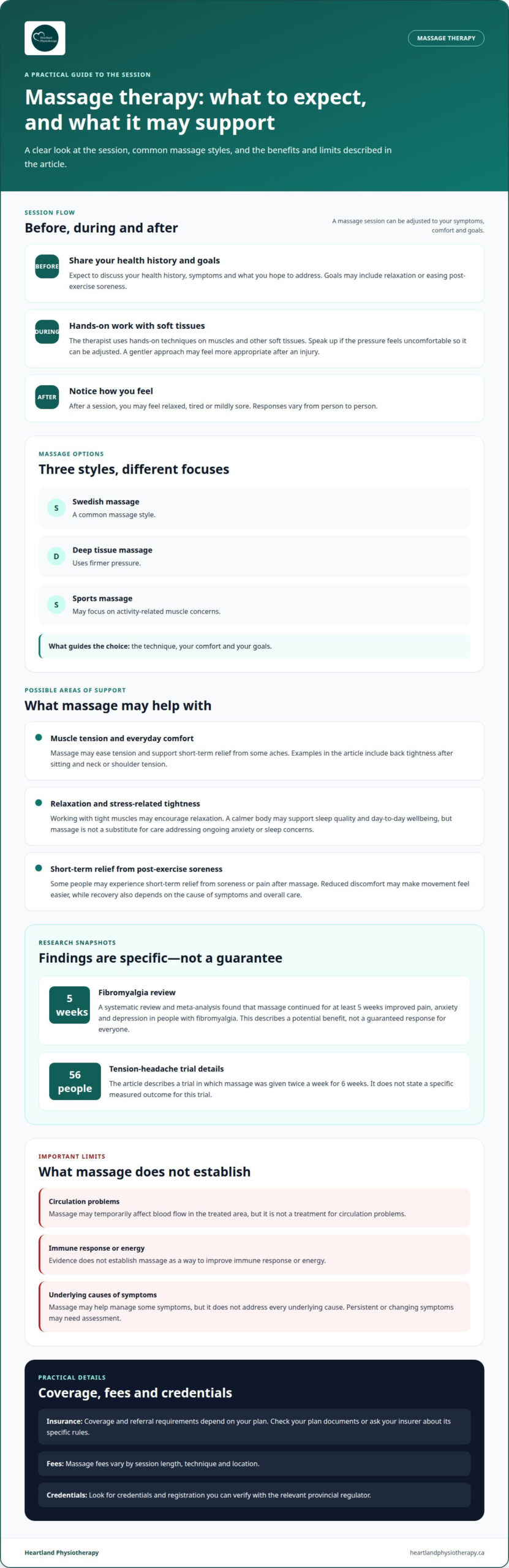
Options in Canada include Swedish, deep tissue, and sports massage. Swedish massage is a common style; deep tissue uses firmer pressure, while sports massage may focus on activity-related muscle concerns. The benefits of regular massage therapy can depend on the technique, your comfort, and your goals, such as relaxation or easing post-exercise soreness.
Insurance coverage depends on your plan’s terms, including whether massage is covered and whether a referral is required. Check your plan documents or ask your insurer about its specific rules.
Massage fees vary by session length, technique, and location. When choosing a registered massage therapist, look for credentials and registration you can verify with the relevant provincial regulator.
Before treatment, expect to discuss your health history, symptoms, and goals. During the session, let the therapist know if the pressure feels uncomfortable so it can be adjusted. Afterwards, you may feel relaxed, tired, or mildly sore.
Stress reduction and relaxation
Stress can keep the body tense, making it harder to settle at bedtime or concentrate during the day. Massage works with soft tissue through hands-on techniques, easing tight muscles and encouraging relaxation. For example, gentle shoulder work may help someone who carries tension after long hours at a desk. A calmer body can support sleep quality and day-to-day wellbeing, though massage isn’t a substitute for care addressing ongoing anxiety or sleep concerns.
Research involving fibromyalgia offers one example of how sessions may affect wellbeing. A systematic review and meta-analysis found that massage continued for at least 5 weeks improved pain, anxiety, and depression in people with fibromyalgia. These changes can matter beyond discomfort, since pain and low mood may make everyday motion and rest more difficult. The findings describe a potential benefit, not a guaranteed response for every person.
Stress can also contribute to tension headaches. In a trial involving 56 people, massage was given twice a week for 6 weeks. Massage may ease tension in the neck, shoulders, and scalp, areas that can feel tight during a headache. Addressing those tissues may promote relaxation, but recurring or severe headaches deserve appropriate assessment, especially when symptoms change.
Pressure and technique can be adjusted to the person’s comfort and goals. After an injury, for instance, a gentler approach may feel more appropriate than firm pressure. If stress-related muscle tightness is affecting rest or daily activities, massage therapy for stress and muscle tension may be one option to discuss as part of care.
Massage, comfort, and wellbeing
Massage may help some people feel more comfortable and relaxed. Its effects vary, and it is not a substitute for assessment or treatment when needed.
Circulation and Blood Flow
Circulation is the movement of blood through the body. Massage may temporarily affect blood flow in the area being treated, but it is not a treatment for circulation problems. Some people may find gentle hands-on care comfortable around an affected joint. Massage is not a substitute for assessment of persistent or changing symptoms.
Circulation and Recovery
Recovery means returning to usual activity after exercise, injury, or treatment. Some people may experience short-term relief from soreness or pain after massage. For example, a runner with post-exercise muscle soreness may find a session provides short-term pain relief. Reduced discomfort may make movement feel easier, but recovery also depends on the cause of symptoms and overall care.
Immune Support and Energy
Immune support refers to the body’s response to threats such as viruses, while energy affects daily activity. Evidence does not establish massage as a way to improve immune response or energy. Massage does not replace care for illness, depression, or persistent fatigue.
If you’re exploring massage as part of recovery or general wellbeing, discuss massage therapy options.
Heartland Physiotherapy: Massage Therapy
Heartland Physiotherapy offers massage therapy in Meadowvale, Mississauga, for people seeking support with stress, muscle tension, or soreness that affects daily activities. If these concerns keep returning or interfere with rest, work, or movement, massage may be one option to discuss as part of your care.
For persistent discomfort or changes in how you move, other approaches may also be relevant. Heartland Physiotherapy provides Physiotherapy Treatment and Osteopathy Treatment to support different needs and goals.
To discuss your options, contact Heartland Physiotherapy in Meadowvale, Mississauga.
Choose a Next Step That Fits Your Needs
Understanding the benefits of regular massage therapy can help you decide whether it fits your approach to wellbeing. Consider what you want support with, such as managing tension, staying comfortable during daily activities, or building a broader plan for movement and recovery. Heartland Physiotherapy offers massage therapy alongside Physiotherapy Treatment and Osteopathy Treatment, so you can discuss options suited to your concerns and goals.
If you’re ready to explore a suitable next step, contact Heartland Physiotherapy today. A conversation can help you consider which kind of support best fits your needs. Small, thoughtful steps can help you move towards greater comfort and confidence in your routine.
Frequently Asked Questions
What Does the Research Show?
Research points to condition-specific findings rather than one effect for everyone. For low-back pain, the Agency for Healthcare Research and Quality evaluated 20 studies comparing massage with usual care or other interventions, and reviewed 6 studies comparing massage types. Results should be understood in context: the condition studied and the comparison treatment matter when interpreting potential benefits.
What are the evidence-based benefits of regular massage therapy?
Research on knee osteoarthritis suggests massage may provide short-term pain relief and improve function. A review of neck-pain research found massage more effective than inactive therapies. These findings relate to specific symptoms and comparisons, not broad claims that massage prevents illness or replaces medical care. Someone with knee osteoarthritis, for example, could notice whether walking or using stairs feels more comfortable.
How often should you get a massage to experience lasting benefits?
There is no general schedule that suits everyone. How often to have massage depends on your needs and goals, symptoms, comfort, and how you respond between sessions. A qualified healthcare professional can discuss whether massage is appropriate and help determine a schedule for you.
Can massage therapy help with chronic pain, stress, anxiety, or sleep?
Massage may support symptom management for chronic pain, stress, anxiety, and sleep difficulties, but it doesn’t replace diagnosis or treatment. If pain disrupts sleep, note when it starts, which activities aggravate it, and whether rest changes the symptoms. These details can help guide a care discussion. Persistent anxiety or insomnia also deserves appropriate healthcare attention.
What are the risks and side effects of regular massage therapy?
Temporary tiredness, soreness, headache, or nausea may follow a session; serious complications have rarely been reported. Avoid massage over open wounds or contagious skin conditions, and reschedule during a fever or infectious illness. A history of blood clots, blood-thinning medication, certain heart conditions, or recent surgery can affect safety. Discuss these concerns with a healthcare professional before treatment.